Fertility · Evidence-informed care
Does Acupuncture Help Fertility? What the Research Shows
By Jane Gregorie, M.S., L.Ac., FABORM
Owner & Clinic Director, Acupuncture Denver · Last updated November 2026
The research is encouraging, though not yet definitive. Recent analyses of randomized trials report higher pregnancy rates when acupuncture is used around IVF, timing appears to matter, and patients report meaningful drops in anxiety, stress and pain. Context matters in these studies, and the navigating research outcomes requires nuance and and understanding of how Chinese medicine doesn’t fit neatly into the Western medical research standards.
At a glance
-
- Pregnancy outcomes: 2024 meta-analyses of randomized trials found higher clinical pregnancy rates with acupuncture around IVF, and timing appears to matter. Starting early and continuing through your cycle looks more promising than a single transfer-day visit.
-
- How you feel: In a study of 146 IVF patients, a single whole-systems TCM session lowered self-reported anxiety by an average of 2.2 points on a 10-point scale.
-
- The honest context: Several large sham-controlled trials found no difference in live birth rates, so the evidence is encouraging but not definitive.
-
- Safety: Low risk when provided by a licensed practitioner with sterile, disposable needles. It works alongside your medical care, never in place of it.
Trying to conceive is hard on your whole being
The appointments, the waiting, the two-week stretches that feel like two years. Many of our patients tell us the hardest part is the uncertainty. If that sounds familiar, you are in good company, and we want you to know two things: “Just relax” is not a treatment plan, and stress is not your fault.
You deserve care that supports your body and your nervous system while you do the medical work. That is the role acupuncture plays in our practice.
When people ask whether acupuncture “helps,” they usually mean one of three things:
-
- Will it improve my chances? Some pooled analyses suggest higher pregnancy rates around IVF, though not every trial agrees. Our clinical experience has shown some remarkable success stories, both in women with failed IVF cycles and those TTC naturally.
-
- Will it support a specific process, such as blood flow, ovulation or the uterine lining? There are promising early signals, but the evidence is generally low quality because acupuncture by its nature doesn’t lend itself to placebo-controlled, double-blinded study standards. We have treated thousands of women with impaired blood flow, including women with thin lining and a history of Asherman’s, and have seen major changes after electro-acupuncture, dietary therapy, supplements, red light treatments, and herbs.
-
- Will it help me feel better along the way? This is where patients tend to notice the biggest difference.
Infertility is generally defined as not conceiving after 12 months of trying, or after 6 months if you are over 35. If that applies to you, a reproductive endocrinologist (RE) or OB-GYN should be part of your care. Our guide to a baseline fertility workup explains which tests to ask about.
What the research shows
The picture is encouraging and still evolving. Here is what the strongest supportive studies found, followed by the honest context.
What the supportive evidence shows
43.6% vs 33.2% Clinical pregnancy rates
An updated meta-analysis of 25 randomized trials (4,757 participants) found higher clinical pregnancy rates in the acupuncture groups. Across the 11 trials that reported live birth, rates were 38.0% with acupuncture and 28.7% with controls. The authors concluded that acupuncture can significantly improve both outcomes.
Xu et al., Archives of Gynecology and Obstetrics, 2024
RR 2.40 Live birth, before frozen transfer
A meta-analysis of 38 randomized trials (5,991 participants) asked when acupuncture works best. Acupuncture before a frozen embryo transfer was linked to higher clinical pregnancy (risk ratio 1.71) and live birth (risk ratio 2.40, 95% CI 1.20 to 4.79). In fresh cycles, acupuncture during ovarian stimulation was linked to higher clinical pregnancy (risk ratio 1.33), and higher doses looked more favorable.
Wang et al., Journal of Integrative and Complementary Medicine, 2024
−2.2 points Anxiety, single session
In a study of 146 IVF patients across 202 embryo transfers, a single whole-systems TCM session lowered self-reported anxiety by an average of 2.2 points, stress by 2.1 and pain by 1.4 on a 10-point scale. The study was retrospective, so it shows an association rather than proof of cause.
Lu et al., Global Advances in Integrative Medicine and Health, 2025
Why timing matters
The two most recent timing analyses agree on one practical point: a single session on transfer day looks like the weakest approach.
The 2024 meta-analysis above found no benefit in fresh cycles from acupuncture given only before stimulation or only on transfer day.
A 2025 network meta-analysis of 22 trials (3,677 patients) found that transfer-day-only acupuncture did not improve clinical pregnancy. Overall, it reported a higher clinical pregnancy rate with acupuncture (risk ratio 1.26) but no significant difference in live birth (risk ratio 1.10). That is why we usually suggest starting early and continuing through your cycle, rather than relying on one visit.
Yang et al., Frontiers in Endocrinology, 2025
Whole-systems care and uterine blood flow
Two older studies point in the same encouraging direction, as long as they are read for what they are: one observational study and one small physiological study.
OR 2.09 IVF live birth odds
A retrospective study of 1,231 IVF patient records compared IVF alone, IVF with acupuncture on transfer day, and IVF with whole-systems TCM, which can include acupuncture, Chinese herbs, and diet and lifestyle guidance. Among non-donor cycles, whole-systems TCM was associated with higher odds of live birth than IVF alone (adjusted odds ratio 2.09, 95% CI 1.36 to 3.21) and than transfer-day acupuncture only (adjusted odds ratio 1.62, 95% CI 1.04 to 2.52).
Patients chose this care rather than being randomized to it, so the study cannot prove it caused the difference, and the authors say the results should be taken cautiously.
Hullender Rubin et al., Reproductive BioMedicine Online, 2015
10 women Uterine artery blood flow
In a small prospective study led by Elisabet Stener-Victorin, 10 infertile women with high uterine artery resistance (a pulsatility index of 3.0 or higher) received electro-acupuncture twice a week for 4 weeks. Resistance was significantly lower right after the eighth treatment and still lower 10 to 14 days later (both P < 0.0001).
The authors suggested the effect reflects reduced sympathetic nervous system activity. The study was small and had no control group, so it cannot show that the change improves fertility.
Stener-Victorin et al., Human Reproduction, 1996
On emotional wellbeing, a 2017 review of four trials (595 women) found that most studies suggested lower anxiety with acupuncture, though results were mixed and one trial showed no difference from sham (Hassanzadeh Bashtian et al.).
The honest context
Not every study finds a benefit, and we think you deserve to hear that from us. When acupuncture is compared directly with sham needling, the results are less consistent.
20 trials Cochrane review
Pooled randomized trials of acupuncture around IVF found no overall live birth benefit (odds ratio 0.87 at egg collection, 1.22 around embryo transfer). The evidence was rated low quality.
Cheong et al., 2013
18.3% vs 17.8%IVF live birth rate
Acupuncture versus sham acupuncture in more than 800 women having IVF in Australia and New Zealand. The difference was not statistically significant.
Smith et al., JAMA, 2018
29.4% vs 28%PCOS live birth rate
Active versus sham acupuncture, each with clomiphene, in 1,000 women with PCOS in China. Acupuncture alone also did not increase live births.
Wu et al., JAMA, 2017
A 2025 overview of 10 systematic reviews on endometrial receptivity found some favorable estimates, but all 10 reviews were rated critically low quality and 51 of 55 outcomes were low or very low certainty (Fan et al., Frontiers in Medicine). That is a call for better studies, not a verdict against acupuncture.
Why do studies disagree?
Acupuncture research is hard to design, and that explains some of the mixed picture:
-
- Sham controls are imperfect. A sham needle on a non-traditional point can still produce a physical and emotional response, which can shrink the measured difference.
-
- Blinding is difficult. Practitioners know whether they give real or sham treatment, and patients may guess.
-
- Protocols vary widely. Trials differ in points, number of sessions, timing within the cycle, and whether electro-acupuncture or herbs are included. As the timing analyses show, when you start matters.
-
- Outcomes differ. Clinical pregnancy and live birth are not the same, and live birth is what matters most to patients.
-
- Whole-systems care is rarely tested as a whole. Whole-systems TCM can combine acupuncture, herbs, and diet and lifestyle guidance, while the sham-controlled trials above tested acupuncture alone.
-
- Individualized care is hard to test. Clinical practice, including ours, tailors treatment to each person, while most trials use a fixed protocol.
What this means for you
Taken together, the research supports a hopeful but realistic view. There are encouraging signals for pregnancy rates, for timing, and for how patients feel during treatment, and the largest sham-controlled trials have not shown a live birth difference. Acupuncture is a low-risk way to support your body and your nerves alongside your medical plan, and many of our patients find it worth it for that alone. We never promise an outcome, and we never suggest it replaces your medical treatment. Our fertility research page will be updated as new studies appear. You can also read our guides to IVF success rates, PCOS and unexplained infertility. Mechanisms
How acupuncture may help
Researchers and practitioners have proposed several ways acupuncture could support reproductive health. These are hypotheses, and the human evidence is still developing.
Calming the stress response
Acupuncture is often proposed to influence the nervous system and the hormonal stress axis, and many patients report feeling calmer and sleeping better. See our guide to acupuncture for stress and fertility.
Blood flow to the uterus and ovaries
A frequently proposed idea is that needling improves pelvic circulation, which could support the uterine lining and follicle development. A small 1996 study found lower uterine artery resistance after electro-acupuncture, and its authors suggested reduced sympathetic nervous system activity.
Regulating the hormone axis
The hypothalamic-pituitary-ovarian axis coordinates ovulation. Acupuncture has been proposed to influence this signaling, which is why it is studied in PCOS.
Supporting treatment tolerance
Patients commonly use acupuncture for bloating, nausea, tension and sleep during fertility treatment. The ASRM patient fact sheet notes it may ease some fertility-drug side effects and promote relaxation.
The TCM perspective on fertility
In Traditional Chinese Medicine (TCM), a fertility concern is not treated as a single diagnosis. Practitioners look for patterns that explain the whole picture, and then tailor treatment to the person in front of them. That individualized approach is a big part of why patients find the care feel different from a one-size-fits-all protocol.
TCM patterns are a way of organizing symptoms and treatment. They are not medical diagnoses, and they do not replace the testing your medical team provides.

Kidney Yin Deficiency
Associated with: short cycles, scant bleeding, night sweats or hot flashes, dryness, restlessness, poor sleep.
Treatment principle: nourish Kidney Yin and support the body’s cooling, moistening reserves.
Kidney Yang Deficiency
Associated with: cold hands and feet, low energy, low back soreness, long or irregular cycles, low libido.
Treatment principle: warm and support Kidney Yang.
Liver Qi Stagnation
Associated with: irritability, tension, breast tenderness before periods, irregular or painful cycles, with stress as a major trigger.
Treatment principle: move Liver Qi and ease tension.
Blood Deficiency or Blood Stasis
Associated with: pale or scant periods (deficiency), or dark clots and sharp, fixed pelvic pain (stasis), plus fatigue or dizziness.
Treatment principle: nourish the Blood, or move stagnant Blood, depending on the pattern. See acupuncture for endometriosis.
What a personalized plan looks like at Acupuncture Denver

Every plan is built around your history, your cycle and your medical treatment. Depending on your needs, it may include:
-
- A detailed intake and TCM pattern assessment, with review of your recent labs and your RE’s or OB-GYN’s plan
-
- Weekly acupuncture tailored to your cycle phase, with electro-acupuncture when appropriate
-
- Custom Chinese herbal formulas, reviewed for interactions with your medications
-
- Evidence-informed supplements through our Fullscript pharmacy
-
- Lifestyle and nutrition guidance, without blame or pressure
-
- Coordination with your reproductive endocrinologist or OB-GYN
Learn more about our fertility acupuncture specialists and our fertility enhancement program. Timing
When to start acupuncture for fertility
The research on timing points to a simple idea: earlier and steadier looks better than last-minute.
Recent analyses found the most favorable results for acupuncture before a frozen embryo transfer and during ovarian stimulation, and little benefit from a single transfer-day session.
The ASRM patient fact sheet likewise notes that people are often advised to begin about three months before IVF or IUI, and that starting alongside medical treatment may still help.
See our guides to acupuncture before embryo transfer and fertility acupuncture over 35.
A helpful checklist
-
- Schedule your medical workup and keep your RE or OB-GYN in the loop
-
- Begin 2 to 3 months before a planned cycle if possible
-
- Plan regular sessions through preparation and stimulation, not just transfer day
-
- Tell every provider about every herb and supplement you take
-
- Build in rest, sleep and support, not just appointments
Clinical insight from our practice
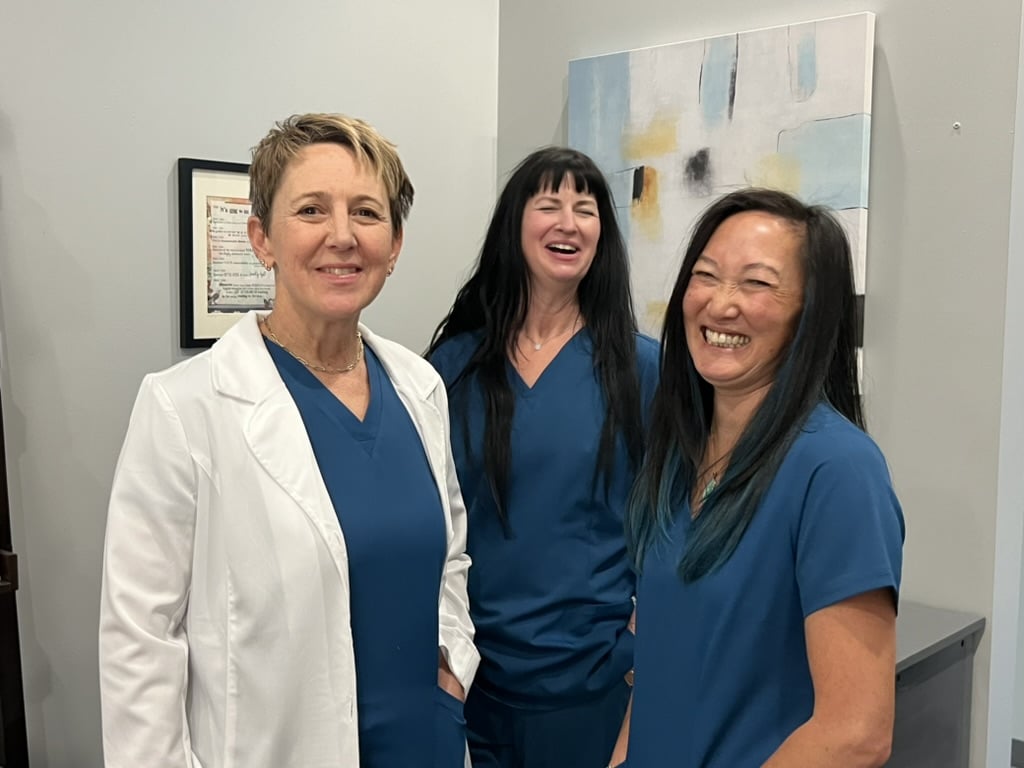
We don’t promise outcomes, and no one ethically can. What patients commonly tell us is:
-
- They feel calmer and more in control during treatment
- We answer questions their fertility clinic doesn’t always have time or space to answer about how the cycle works
- Sleep, digestion and cycle-related symptoms often feel better
- They value a team that treats the whole person and is a steady presence throughout their journey
- They appreciate honest answers about what the research does and doesn’t show.
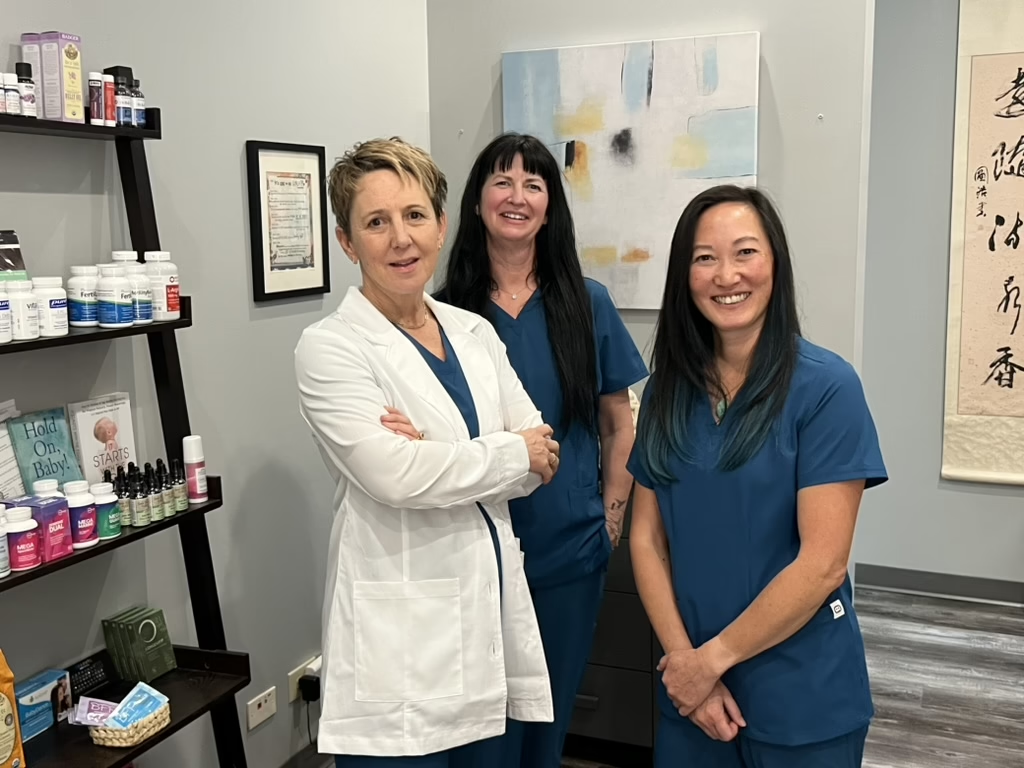
Jane, Merry, and Mally are all ABORM board-certified Reproductive Medicine Specialists, and our practitioners are licensed and NCCAOM certified. Read what patients say on our fertility success stories page.

Patient takeaways
-
- Recent meta-analyses of randomized trials report higher pregnancy rates with acupuncture around IVF
-
- Timing matters: starting early and continuing through your cycle looks more promising than a single transfer-day visit
-
- Many patients report less anxiety, stress and pain during treatment
-
- Large sham-controlled trials have not confirmed a live birth benefit, so the evidence is encouraging but not definitive
-
- It is a low-risk adjunct to your medical care, not a replacement for it
-
- You deserve support that is honest about what is known and unknown
Considering acupuncture for fertility?
We can build a personalized plan around your medical history and diagnosis, your cycle and treatment timeline, your stress, sleep and symptom goals, and your questions and concerns.
Schedule your fertility consultation
Questions first? Call 303-929-9582 or join our fertility support group. Questions
Frequently asked questions
Does acupuncture help fertility?
The research is encouraging but not yet definitive. Recent meta-analyses of randomized trials report higher clinical pregnancy rates with acupuncture around IVF, and timing appears to matter, with the strongest results for sessions before frozen embryo transfer and during ovarian stimulation.
Patients also report less anxiety, stress and pain. At the same time, several large sham-controlled trials found no difference in live birth rates.
Most people use acupuncture as supportive care alongside medical treatment.
How does acupuncture help fertility?
Proposed mechanisms include calming the stress response, improving pelvic blood flow, and influencing reproductive hormone signaling. A small 1996 study found lower uterine artery resistance after electro-acupuncture. These are hypotheses, and the human evidence is still developing.
How long does acupuncture take to work?
It depends on your goals. Stress and sleep changes may be noticed within a few sessions. For fertility planning, practitioners commonly suggest starting about three months before IVF or IUI, according to the ASRM patient fact sheet. We cannot promise a timeline for pregnancy.
How often should I get acupuncture?
The ASRM fact sheet describes sessions of about 1 to 3 times a week, with needles in place for 20 to 40 minutes.
Your frequency may change by cycle phase and treatment schedule, and we will tailor a plan with you.
Should I do acupuncture with IVF or IUI?
Many patients choose acupuncture as supportive care during IVF or IUI. Research on timing suggests it may be more helpful when started early and continued through preparation and stimulation than as a single session on transfer day. Always coordinate with your reproductive endocrinologist.
What tests should I have before trying acupuncture?
Ask your doctor about a baseline fertility workup, which typically includes cycle and ovulation assessment, hormone testing, ovarian reserve, a semen analysis for your partner, and imaging of the uterus and tubes. See our baseline fertility workup guide. We can also order labs through Fullscript.
Is fertility acupuncture safe?
Acupuncture is safe when performed by a licensed practitioner using sterile, disposable needles. Mild bruising or soreness is possible. Tell your practitioner if you take aspirin or other blood thinners.
Are Chinese herbs safe with fertility treatment?
Herbs can interact with medications and may not be appropriate during every phase of treatment. Always review herbs and supplements with both your acupuncture practitioner and your medical team before starting them.
References
-
- Xu, M., Zhu, M., & Zheng, C. (2024). Effects of acupuncture on pregnancy outcomes in women undergoing in vitro fertilization: an updated systematic review and meta-analysis. Archives of Gynecology and Obstetrics, 309(3), 775-788.
-
- Wang, X., Xu, H.-M., Wang, Q., Zhu, X.-Y., Zeng, Y.-X., Huang, L., Feng, X., & Chen, S. (2024). The timing and dose effect of acupuncture on pregnancy outcomes for infertile women undergoing in vitro fertilization and embryo transfer: a systematic review and meta-analysis. Journal of Integrative and Complementary Medicine.
-
- Lu, R., Rodgers-Melnick, S. N., Flyckt, R., et al. (2025). Clinical delivery of whole systems traditional Chinese medicine and impacts upon patient reported outcomes during IVF. Global Advances in Integrative Medicine and Health, 14.
-
- Yang, Y., et al. (2025). Different effectiveness of acupuncture treatment schedule on ART pregnancy outcomes: a systematic review and network meta-analysis. Frontiers in Endocrinology, 16.
-
- Hullender Rubin, L. E., Opsahl, M. S., Wiemer, K. E., Mist, S. D., & Caughey, A. B. (2015). Impact of whole systems traditional Chinese medicine on in-vitro fertilization outcomes. Reproductive BioMedicine Online, 30(6), 602-612.
-
- Stener-Victorin, E., Waldenström, U., Andersson, S. A., & Wikland, M. (1996). Reduction of blood-flow impedance in the uterine arteries of infertile women with electro-acupuncture. Human Reproduction. PMID 8671446.
-
- Hassanzadeh Bashtian, M., Latifnejad Roudsari, R., & Sadeghi, R. (2017). Effects of acupuncture on anxiety in infertile women: a systematic review of the literature. Journal of Midwifery and Reproductive Health, 5(1), 842-848.
-
- Cheong, Y. C., Dix, S., Hung Yu Ng, E., Ledger, W. L., & Farquhar, C. (2013). Acupuncture and assisted reproductive technology. Cochrane Database of Systematic Reviews, Issue 7, CD006920.
-
- Smith, C. A., et al. (2018). Effect of acupuncture vs sham acupuncture on live births among women undergoing in vitro fertilization: a randomized clinical trial. JAMA.
-
- Wu, X.-K., et al. (2017). Effect of acupuncture and clomiphene in Chinese women with polycystic ovary syndrome: a randomized clinical trial. JAMA.
-
- Fan, H., et al. (2025). The efficacy of acupuncture on endometrial receptivity in infertile women: an overview of systematic review and meta-analysis. Frontiers in Medicine, 12.
-
- American Society for Reproductive Medicine. Acupuncture and infertility treatment (patient fact sheet).
Medical disclaimer: This article is for educational purposes only and is not a substitute for personalized medical care. Acupuncture and Chinese herbal medicine should be provided by a licensed, board-certified practitioner with advanced fertility training, in coordination with your reproductive endocrinologist or OB-GYN.