By Jane Gregorie, M.S., L.Ac., FABORM
Owner & Clinic Director
Introduction
If you have moved from timed intercourse into intrauterine insemination (IUI), you are in a specific phase of the fertility journey that often gets less attention than IVF. IUI cycles are shorter, gentler, and less expensive — but they still involve real hormonal shifts, precise timing, and the emotional weight of another attempt.
Many patients ask us the same question: does acupuncture help with IUI the way it helps with IVF? The honest answer is nuanced. The specific IUI + acupuncture RCT literature is thinner than the IVF literature. But the adjacent evidence — for the ovulation-induction medications used in IUI (clomiphene and letrozole), for luteal phase support, and for endometrial receptivity — is meaningful and consistent. And in our clinic, IUI cycles are one of the most rewarding treatment integrations we offer.
This guide is for you if you are:
- planning an IUI cycle in the near future — with or without oral ovulation-induction medications
- 6+ months into IUI cycles that have not yet worked, and wondering whether to add integrative support
- moving from timed intercourse to IUI (often after 6–12 months of trying with an unexplained infertility diagnosis)
- doing donor-sperm IUI as a single parent by choice or in an LGBTQ+ family-building context
- using IUI as an intermediate step before considering IVF
At Acupuncture Denver, we have supported thousands of IUI cycles alongside Denver-area reproductive endocrinologists. This guide walks through what IUI actually is, how acupuncture fits into the protocol biologically and by timing, the TCM perspective, and what a personalized plan looks like in our clinic.
What Is IUI?
Intrauterine insemination (IUI) is a fertility treatment in which prepared sperm — either from the male partner or a donor — is placed directly into the uterus around the time of ovulation. It is often the first assisted reproductive step after timed intercourse, and it is significantly less involved than IVF.
An IUI cycle typically includes:
- Ovulation monitoring — natural or medicated. Medicated cycles use oral ovulation-induction drugs like letrozole (increasingly first-line) or clomiphene citrate, sometimes with an injectable trigger (hCG or Ovidrel) to precisely time ovulation
- Follicle tracking — via transvaginal ultrasound and LH ovulation prediction
- Sperm preparation — the sperm sample is “washed” to concentrate motile sperm and remove seminal fluid
- Insemination — the prepared sperm is placed into the uterus with a thin catheter, typically 24–36 hours after the hCG trigger
- Luteal phase — a two-week wait, sometimes with progesterone support depending on the protocol
- Pregnancy test — approximately 14 days post-insemination
Who is IUI a good option for?
IUI is typically recommended for:
- Unexplained infertility — the largest single indication (acupuncture for unexplained infertility)
- Mild-to-moderate male factor infertility — where sperm parameters are reduced but not severe (acupuncture for male factor infertility)
- Ovulatory dysfunction — including PCOS treated with letrozole or clomiphene
- Mild endometriosis (Stage I–II)
- Cervical factor infertility — hostile cervical mucus, cone biopsy history
- Sexual dysfunction — including ejaculation difficulties, vaginismus, or partners unable to time intercourse
- Single parents by choice and LGBTQ+ couples using donor sperm
- Sero-discordant couples (one partner HIV-positive)
IUI is generally not the right first step for:
- Blocked or severely damaged fallopian tubes
- Severe male factor (very low count, very poor motility)
- Advanced endometriosis (Stage III–IV)
- Diminished ovarian reserve with advanced age
- Some advanced maternal age situations where the timeline suggests IVF as a better use of time
What are the success rates?
IUI success rates vary meaningfully by diagnosis, age, medication protocol, and sperm quality. Broadly:
- Per-cycle clinical pregnancy rate: ~10–20%, with most large-cohort studies reporting 10–15% per cycle
- Cumulative pregnancy rate after 3 cycles: 15–25% for unexplained infertility with letrozole/clomiphene + IUI
- Cumulative rate after 3 cycles: up to 35% in some cohorts
The ASRM 2020 guideline “Evidence-based treatments for couples with unexplained infertility” recommends 3–4 cycles of ovulation induction with oral medications plus IUI as the initial treatment strategy for most couples before moving to IVF (ASRM Practice Committee, 2020, Fertility and Sterility).
Factors that reduce IUI success rates
- Female age ≥ 35
- AMH < 1 ng/mL
- Total progressive motile sperm count < 5 million in the post-wash sample
- Endometriosis — particularly moderate to severe
- Unilateral tubal factor or anatomic issue
- BMI extremes (either very low or very high)
- Chronic stress and disrupted sleep
Most of these are areas where a thoughtful integrative plan can meaningfully shift the picture before the cycle begins.
How Acupuncture May Help IUI (Biological Perspective)
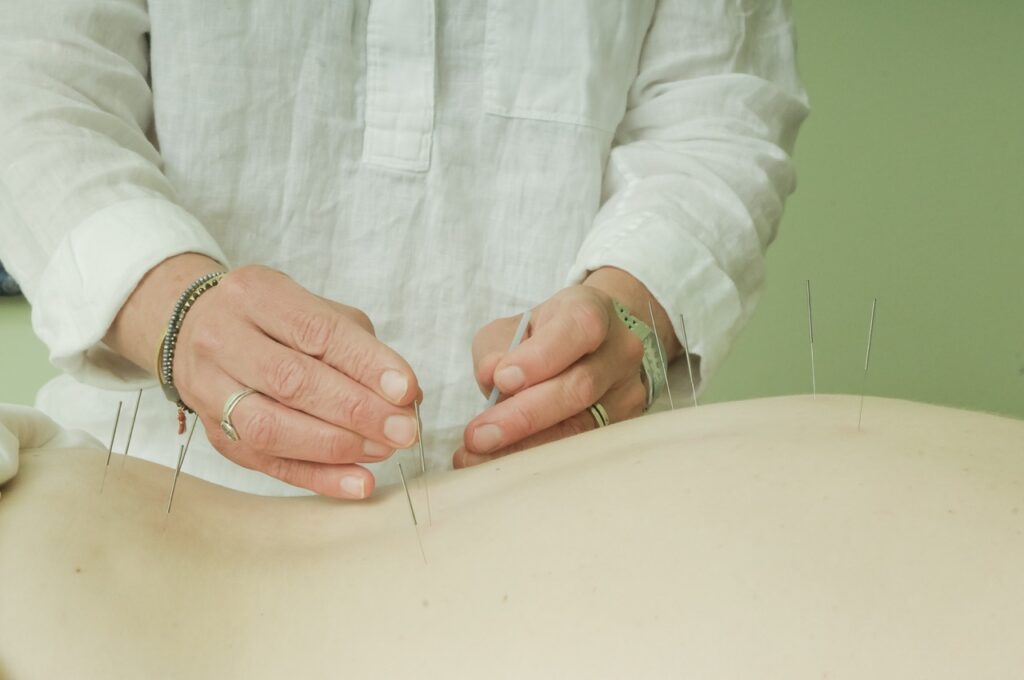
Acupuncture supports several converging pathways that matter across a full IUI cycle. Here is what the research and mechanism studies say.
1. Supporting Ovulation and Follicle Development
For most IUI cycles, the goal is to produce 1–3 mature follicles in response to letrozole or clomiphene. Acupuncture has been shown to modulate the hypothalamic-pituitary-ovarian (HPO) axis, supporting GnRH pulsatility and downstream LH/FSH release. This is particularly relevant for patients with PCOS-related ovulation dysfunction — the largest evidence base is here.
- A meta-analysis in the Journal of Traditional Chinese Medical Sciences found that acupuncture and moxibustion combined with clomiphene significantly improved ovulation and pregnancy rates in PCOS patients compared with clomiphene alone (Meta-analysis of acupuncture + moxibustion + clomiphene in PCOS, PMC10698371)
- A meta-analysis of acupuncture combined with letrozole in PCOS patients found significant improvements in clinical pregnancy rates, ovulation rates, serum estradiol levels, and endometrial thickness (Meta-analysis, European Journal of Obstetrics & Gynecology and Reproductive Biology / Sciencedirect, 2025)
2. Improving Endometrial Receptivity
A prepared endometrium is essential for implantation after IUI, just as it is after embryo transfer. The Zhong et al. 2019 systematic review and meta-analysis found that acupuncture significantly improved pregnancy rates (RR 1.23; 95% CI 1.13–1.34) through improvements in endometrial thickness, blood flow indices, and endometrial pattern (Zhong et al., 2019, BMC Complementary Medicine and Therapies).
A 2025 Frontiers in Medicine umbrella overview of 10 systematic reviews on this exact question reached similar conclusions (Frontiers in Medicine, 2025).
3. Improving Uterine and Ovarian Blood Flow
Stener-Victorin’s classic electroacupuncture and uterine artery Doppler studies demonstrated reduced uterine artery blood flow impedance (lower pulsatility and resistance indices) in infertile women. Lower PI and RI values on Doppler are associated with better implantation and pregnancy outcomes. For IUI cycles, this pre-cycle preparation may be one of the most consequential interventions — the same mechanism that supports IUI implantation is what supports acupuncture before embryo transfer in IVF cycles.
4. Supporting the Luteal Phase
The luteal phase — the two weeks between insemination and pregnancy test — is a critical implantation window. A 2026 network meta-analysis in Frontiers in Endocrinology found that acupuncture during the luteal phase was associated with a higher clinical pregnancy rate (RR 1.77; 95% CI 1.25–2.52) and biochemical pregnancy rate (RR 1.72; 95% CI 1.16–2.54) (Frontiers in Endocrinology, 2026 — Timing and dose of acupuncture as ART adjuncts).
5. Regulating Stress Physiology
IUI cycles carry real emotional weight — especially at cycles 2, 3, and 4 when hope and anxiety start to compete. Chronic HPA-axis activation directly suppresses reproductive function through elevated CRH-driven suppression of GnRH. Acupuncture shifts the body into parasympathetic tone, lowers cortisol, and improves sleep — one of the most under-appreciated fertility interventions for women in the two-week wait. See our companion post on acupuncture for stress and fertility.
6. Supporting the Sperm Side of the Equation
If your partner is providing the sample, acupuncture for the male partner during the 2–3 months leading up to IUI can improve sperm concentration, motility, and DNA fragmentation — with a 2023 network meta-analysis showing significant improvements in total motility (MD 17.81) and progressive motility (MD 3.95). See our companion post on acupuncture for male factor infertility.
What the Research Says: An Honest Read
Let us be transparent about the evidence: the specific IUI + acupuncture RCT literature is smaller than the IVF + acupuncture literature. The best available evidence for acupuncture and IUI comes from three converging bodies of research:
- Acupuncture + ovulation induction (clomiphene/letrozole). Multiple meta-analyses show acupuncture combined with oral OI improves ovulation rates, endometrial thickness, and pregnancy rates — particularly in PCOS populations, which are among the largest indications for IUI.
- Acupuncture and endometrial receptivity. The Zhong et al. 2019 meta-analysis (RR 1.23; 95% CI 1.13–1.34) and multiple 2025 systematic reviews support acupuncture’s role in improving the receptive endometrium — a mechanism as relevant to IUI as to IVF.
- Acupuncture during the luteal phase. The 2026 Frontiers in Endocrinology network meta-analysis (RR 1.77 for clinical pregnancy) is directly applicable to the IUI luteal window.
Additionally, the larger IVF acupuncture literature — including the 2024 meta-analysis of 25 RCTs and 4,757 participants (Xu et al., 2024, Arch Gynecol Obstet: clinical pregnancy rate 43.6% vs 33.2%; live birth rate 38.0% vs 28.7%) — provides mechanistic support that generalizes reasonably to IUI, since the underlying physiology of implantation is the same.
Bottom line: acupuncture during IUI is not going to work as a stand-alone treatment or turn a low-yield cycle into a high-yield one. But as an adjunct — particularly for patients with PCOS-related ovulation issues, thin lining, high baseline stress, or male-factor contribution — it has a defensible mechanistic and evidence-based case.
Traditional Chinese Medicine Perspective on IUI
The TCM patterns that show up most commonly in IUI patients are those that led to the IUI in the first place — which is why we treat the root pattern, not just the cycle.
Kidney Yang Deficiency
Associated with:
- weak luteal phase, low basal body temperatures
- cold extremities, low libido, fatigue
- low progesterone on labs
- classic pattern in anovulatory infertility and PCOS
Treatment warms Kidney Yang — supports follicle development and the luteal phase, often with moxibustion.
Kidney Yin Deficiency
Associated with:
- shorter cycles, lighter flow
- night sweats, restless sleep, dry skin
- lower estradiol on labs
- often present with thin uterine lining on ultrasound — a particular concern in IUI cycles
Treatment nourishes Kidney Yin — supports estrogen production and endometrial thickness.
Liver Qi Stagnation
Associated with:
- premenstrual irritability, breast tenderness, bloating
- cycle disruption with stress
- headaches, jaw tension, sleep breaks at 2–4 a.m.
- the “I have done everything right and my body still isn’t cooperating” pattern common in mid-IUI-cycle patients
Treatment smooths Liver Qi and calms the nervous system.
Blood Deficiency
Associated with:
- thin lining on ultrasound
- light or short periods
- pale skin, dizziness, vivid dreams
- weak luteal phase
Treatment nourishes Blood through acupuncture, custom herbal formulas, and dietary therapy.
Blood Stasis
Associated with:
- painful periods, dark clotted flow
- history of pelvic surgery, IUDs, or endometriosis
- often the “hidden” pattern in what looks like unexplained infertility
Treatment moves stagnant blood — outside the cycle window, since blood-moving herbs are contraindicated after ovulation.
Most IUI candidates present with combinations of these patterns — most commonly Liver Qi stagnation layered onto a Kidney Deficiency root.
What a Personalized IUI Plan Looks Like at Acupuncture Denver
We treat IUI as a multi-phase, multi-cycle integrative protocol. A typical plan includes:
- Comprehensive intake and TCM pattern diagnosis — including a full review of cycle history, prior workup, and any imaging
- Coordination with your reproductive endocrinologist — including timing around ovulation induction, monitoring, and trigger
- Pre-cycle preparation (3+ months) — weekly acupuncture, Chinese herbal formulas, and lifestyle work to optimize the terrain before the IUI cycle begins
- Follicular phase acupuncture — during ovulation induction, supporting follicle development, endometrial thickness, and uterine blood flow
- Electroacupuncture — on lower-abdominal and lumbosacral points for pelvic blood flow
- Day-of-IUI acupuncture — many patients find a session either the day of or the day before insemination to be calming and grounding; timing can align with the trigger shot
- Luteal phase support — weekly sessions during the two-week wait to support implantation physiology and reduce anxiety
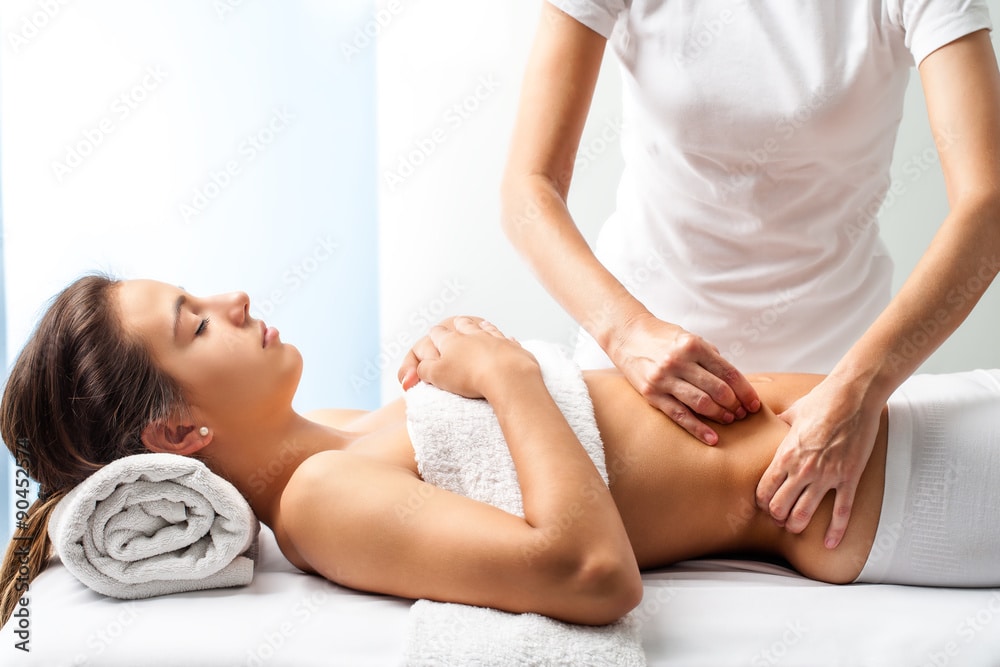
- Fertility-enhancing massage (FEM) — in the pre-cycle phase
- Targeted supplements — CoQ10, vitamin D, prenatal, omega-3s, and additional pattern-specific supplements — ordered through our Fullscript pharmacy
- Partner care if there is a male partner providing the sample — especially if the semen analysis is borderline
- Between-cycle care — using the “off” months to continue building toward the next attempt
When to Start Acupuncture for IUI
Because egg development takes ~90 days, the eggs ovulating in your IUI cycle were responsive to your physiology three months ago. Sperm production similarly takes ~74 days. That is why we recommend starting well before the cycle itself.
For best results, we suggest:
✔ Begin at least 3 months before your first IUI cycle, if the timeline allows
✔ Weekly acupuncture sessions through the pre-cycle preparation
✔ Continue weekly through the IUI cycle — including the follicular phase, day of insemination, and luteal phase
✔ Extra sessions may be added the day before or day of the trigger shot for peak-window support
✔ Male-partner sessions for 3 months pre-cycle when male factor is at all present
✔ Continue through subsequent cycles if the first is not successful — patterns compound over 2–3 cycles of consistent care
✔ Continue through the first trimester if you conceive
Clinical Insight from Our Practice
At Acupuncture Denver, our IUI patients most commonly report:
- more consistent ovulation timing on medicated cycles
- thicker and more receptive-appearing endometrial lining on monitoring ultrasounds
- lower baseline anxiety in the two-week wait
- better sleep and calmer nervous system through cycle 2, 3, and 4 (when the emotional load builds)
- when they conceive, a supported first trimester with weekly pregnancy-appropriate acupuncture
We do not promise outcomes — no one ethically can — but we have watched many IUI cycles succeed after integrative preparation, including many after prior IUI attempts had failed. Jane, Merry, and Mally are all ABORM board-certified Reproductive Medicine Specialists with two decades of experience coordinating IUI care with Denver’s leading reproductive endocrinologists.
Patient Takeaways
If you are planning or in the middle of IUI cycles:
✔ IUI success rates are typically 10–20% per cycle, cumulating to 15–25% after 3–4 cycles for unexplained infertility
✔ ASRM recommends 3–4 cycles of oral OI + IUI before moving to IVF for most couples
✔ The IUI-specific acupuncture RCT literature is thinner than IVF, but the adjacent evidence — for ovulation induction, endometrial receptivity, luteal phase support, and male factor — is meaningful
✔ Acupuncture during the luteal phase is associated with a higher clinical pregnancy rate (RR 1.77) in ART cycles
✔ Acupuncture + letrozole (or clomiphene) improves ovulation, endometrial thickness, and pregnancy rates in PCOS
✔ Plan for 3+ months of pre-cycle preparation for both partners
✔ Continue weekly through the cycle — follicular, ovulatory, luteal
✔ Acupuncture pairs well with conventional IUI care under RE supervision
Considering Acupuncture for IUI?
If you are planning IUI cycles — or wanting to improve outcomes in subsequent cycles after early attempts — acupuncture may be a meaningful part of your plan. At Acupuncture Denver, we will design a personalized IUI protocol around your:
- diagnosis (unexplained, PCOS, mild male factor, mild endo, etc.)
- specific TCM pattern
- age, AMH, and cycle characteristics
- medication protocol (natural, letrozole, clomiphene, injectable)
- male partner’s contribution if applicable
- timeline and IVF plan-B considerations
👉 Schedule your fertility consultation to build a personalized IUI plan.
You are also warmly invited to our free monthly women’s infertility support group — a community space we have held for nearly 20 years for women navigating exactly these questions.
Frequently Asked Questions
Does acupuncture improve IUI success rates?
The IUI-specific RCT literature is limited, but adjacent evidence is meaningful. Acupuncture combined with letrozole or clomiphene has been shown in meta-analyses to improve ovulation rates, endometrial thickness, and pregnancy rates in PCOS. Acupuncture during the luteal phase is associated with a higher clinical pregnancy rate (RR 1.77; 95% CI 1.25–2.52) in ART cycles. Endometrial receptivity improvements (RR 1.23; 95% CI 1.13–1.34) apply directly to the IUI implantation window.
When should I start acupuncture before IUI?
Ideally 3 months before your first cycle, since egg development takes ~90 days and sperm production takes ~74 days. Weekly acupuncture through the pre-cycle prep, follicular phase, day of insemination, and luteal phase gives the most complete support. If your timeline is shorter, start now — even 4–6 weeks of pre-cycle care is meaningful.
Should I get acupuncture on the day of IUI?
Many patients find a session either the day before, day of, or day after IUI to be calming and grounding. The strongest evidence for cycle-integrated acupuncture is during controlled ovarian stimulation (in IVF) and during the luteal phase (in both IUI and IVF). Day-of sessions offer symbolic and physiologic support — they anchor the transition into the two-week wait.
How is acupuncture for IUI different from acupuncture for IVF?
IUI is a gentler protocol, and the acupuncture plan follows suit. IVF involves higher-dose stimulation, egg retrieval, embryo culture, and transfer — and the acupuncture protocol addresses each phase. IUI focuses more on supporting ovulation, endometrial receptivity, and the luteal phase, without the retrieval and transfer components. Many patients start with IUI-focused care and evolve into IVF-focused care if they move to that step.
Should my partner do acupuncture if we’re doing IUI?
If there is any male-factor contribution — even borderline sperm parameters — yes. Sperm production takes ~74 days, and acupuncture has evidence-supported effects on sperm motility, concentration, and DNA fragmentation. See our post on acupuncture for male factor infertility for the full evidence base.
How many IUI cycles should we try before considering IVF?
The ASRM 2020 guideline on evidence-based treatments for unexplained infertility recommends 3–4 cycles of oral OI + IUI as the initial strategy for most couples with unexplained infertility. If those are unsuccessful, IVF is typically the next step. Factors that may shift toward earlier IVF: age ≥ 38, AMH < 1 ng/mL, moderate-to-severe endometriosis, or severe male factor.
Can acupuncture help if I’ve already had 3 unsuccessful IUI cycles?
Yes — this is one of the most common scenarios in our clinic. Prior unsuccessful cycles often reveal patterns that a fresh integrative plan can address: thin lining, weak ovulation response, high stress, unrecognized male factor, or subclinical endometriosis. Between-cycle care is where a lot of the work happens.
Is acupuncture safe during ovulation induction and IUI?
Yes, when performed by a licensed, board-certified practitioner with advanced fertility training. All Acupuncture Denver practitioners are NCCAOM board-certified and ABORM fertility-certified. We coordinate routinely with Denver-area reproductive endocrinologists.
Do you use Chinese herbs during an IUI cycle?
Yes, with careful protocol design. Herbs are typically used in the follicular phase to support follicle development and endometrial lining, and are discontinued or transitioned in the luteal phase to formulas appropriate for early pregnancy. All formulas are screened for safety with any fertility medications you may be taking.
References
- American Society for Reproductive Medicine Practice Committee. (2020). Evidence-based treatments for couples with unexplained infertility: a guideline. Fertility and Sterility.
- (2026). Timing and dose of acupuncture as adjuncts to assisted reproduction: a meta-analysis and model-based network meta-analysis. Frontiers in Endocrinology.
- Zhong, Y., et al. (2019). Acupuncture in improving endometrial receptivity: a systematic review and meta-analysis. BMC Complementary Medicine and Therapies.
- (2025). The efficacy of acupuncture on endometrial receptivity in infertile women: an overview of systematic review and meta-analysis. Frontiers in Medicine.
- Wang, X., et al. (2024). The Timing and Dose Effect of Acupuncture on Pregnancy Outcomes for Infertile Women Undergoing IVF and Embryo Transfer: A Systematic Review and Meta-Analysis. Journal of Integrative and Complementary Medicine.
- Xu, M., Zhu, M., & Zheng, C. (2024). Effects of acupuncture on pregnancy outcomes in women undergoing in vitro fertilization: an updated systematic review and meta-analysis. Archives of Gynecology and Obstetrics, 309(3), 775–788.
- (2023). Meta analysis of ovulation induction effect and pregnancy outcome of acupuncture & moxibustion combined with clomiphene in patients with polycystic ovary syndrome. PMC10698371.
- (2025). Meta-Analysis of the Effects of Acupuncture Combined With Letrozole on Ovulation Induction and Pregnancy Outcomes in Patients With Polycystic Ovary Syndrome. European Journal of Obstetrics & Gynecology and Reproductive Biology.
- Veltman-Verhulst, S. M., et al. (2012, updated). Intra-uterine insemination for unexplained subfertility. Cochrane Database of Systematic Reviews, CD001838.
- (2020). Intrauterine insemination cycles: prediction of success and thresholds for poor prognosis and futile care. Human Reproduction Open.
Medical disclaimer: This article is for educational purposes only and is not a substitute for personalized medical care. IUI cycles should be planned and supervised by a reproductive endocrinologist. Acupuncture and Chinese herbal medicine should be provided by a licensed, board-certified practitioner with advanced fertility training, in coordination with your medical team.